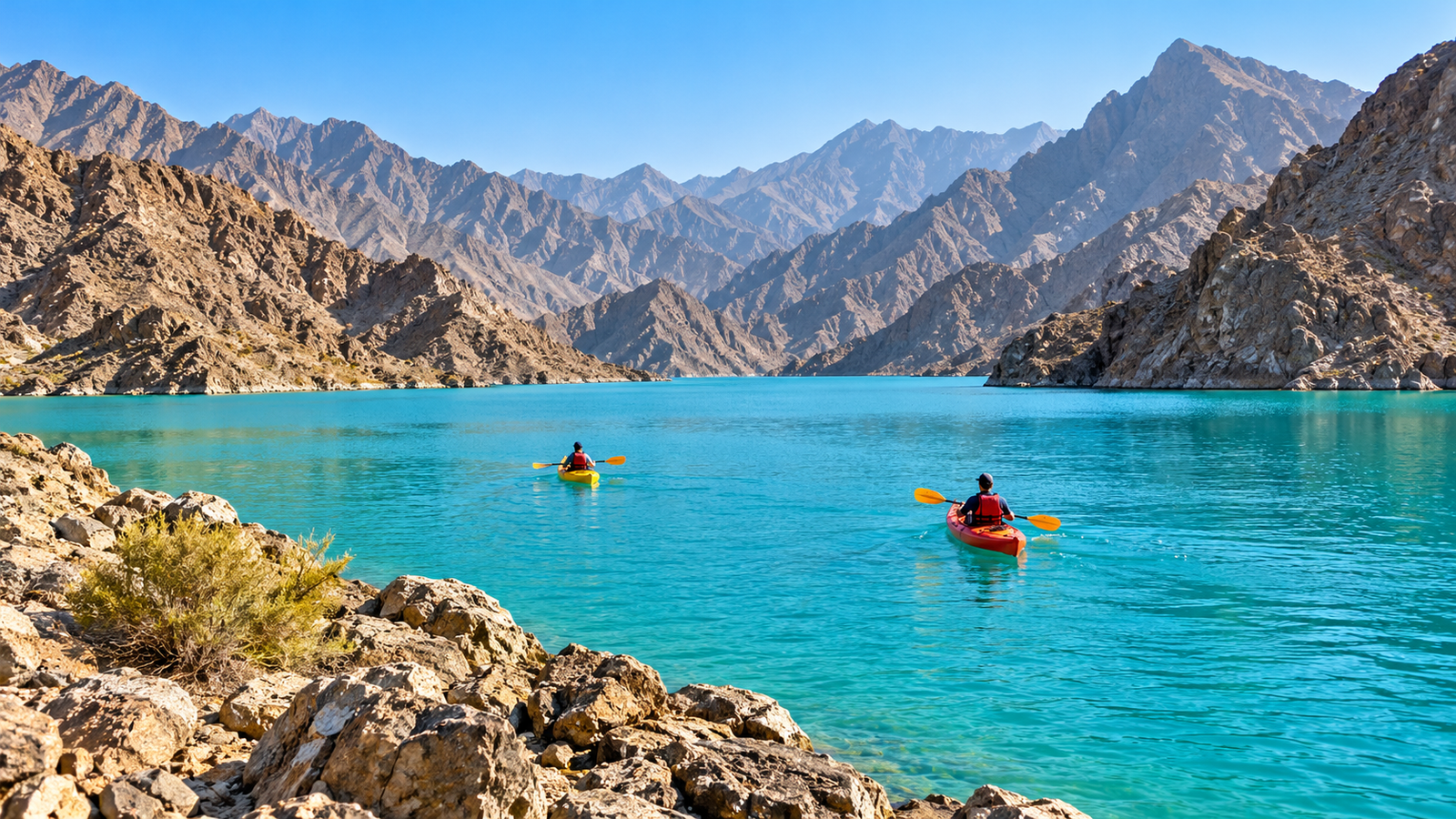
A Hatta day trip from Dubai changes the setting of a holiday. Instead of towers, malls and waterfront districts, you can plan time around mountain scenery, a reservoir, heritage and selected outdoor activities. The day works best when you choose a small number of things you genuinely want to do and leave enough time for the journey.
This guide helps families, couples and first-time visitors prepare a realistic outing. It covers transport, activity bookings, clothing, meals and the return rather than promising every experience will operate on every date. Check current official and operator information before leaving. Hatta is a place to enjoy at a suitable pace, not a list of activities that every visitor must complete.
Decide what kind of Hatta day you want
Start with one main interest: scenery, a specific outdoor activity, heritage or a relaxed change of setting. A group that wants a gentle visit may need a different plan from people booking several physical activities. Agree on the main goal before comparing products or arranging transport.
Ask each person what they are comfortable doing as well as what they want to see. One guest may enjoy a boat activity while another prefers a viewpoint and a meal. Children may have different eligibility or energy levels from adults. A useful plan recognises those differences instead of assuming the whole group will join every activity together.
Treat Hatta as a full outing
Your travel day includes leaving the hotel, reaching the chosen destination, moving between stops, eating and returning. Do not plan only the minutes spent on an activity. A trip can feel tiring even when the booked experience itself is short, particularly if the group has an early start or a late evening beforehand.
Check the actual route and travel conditions for your departure point. An advertised journey estimate is not a promise for every hotel, traffic level or date. Keep the return as part of the plan from the beginning. Avoid placing another fixed booking immediately after an estimated arrival back in Dubai.
Choose one main booking first
If a particular activity is the reason for the trip, check its availability and conditions before arranging everything else. The official Visit Hatta site groups different outdoor experiences, but individual activities can have their own operators, schedules and participation rules. A destination being open does not guarantee access to every experience within it.
Once the main booking is clear, choose one or two smaller parts around it. A meal and a scenic stop may be enough. Adding more activities is useful only if the group wants them and the practical arrangements fit. Leaving room to enjoy the setting is part of a good day, not wasted time.
Keep optional stops genuinely optional
Write the main activity separately from ideas you may add. If the first visit takes longer or someone needs a rest, the optional stop can be dropped without disrupting a paid booking. This is especially helpful for a family whose pace changes during the day.
Hatta Dam and water activities
The reservoir and mountain setting are part of Hatta's visitor appeal. The official tourism information describes kayaking among the area's activities. If you want to go on the water, check the actual operator, booking conditions, equipment and eligibility for your group.
Do not assume a scenic visit and an activity booking are the same product. Ask where to check in, how long the experience lasts and what the price includes. Follow the staff briefing and use the required equipment as instructed. A calm-looking surface should not replace the operator's conditions or an honest assessment of each person's comfort.
Ask the right questions before kayaking
Check who can participate, whether children can join and which craft or seating arrangement applies. Ask about any weight, age or other restrictions relevant to the exact activity. Do not use a photograph of another family as proof that your whole group can book the same arrangement.
Read the rules about belongings, phones and personal items. Ask what can be taken onto the water and how other items should be stored. If someone does not want to participate, plan what they will do during the booked period. It is better to arrange that calmly beforehand than discover the group has different expectations at check-in.
Wadi Hub is not one unlimited activity ticket
Hatta Wadi Hub is associated with several outdoor experiences. Check the individual product or package you are considering and its current inclusion list. A photograph showing several activities does not mean the lowest-priced purchase includes all of them.
Compare the actual session, participation conditions, equipment, briefing and waiting arrangements. Ask whether booking a time is required and how changes are handled. If your group wants different activities, check whether they can be arranged without leaving someone waiting for an unreasonable period. A clear product comparison helps avoid buying more than the group will use.
Hiking needs a suitable route
If walking in the mountain setting is part of the plan, use current official route information and choose a route that fits the group's experience and ability. Do not treat every scenic path as an easy family stroll. The terrain and distance can change the demands of the outing.
Check conditions and follow posted instructions and closures. Use an appropriate guide or organised arrangement if your group needs it. This article is not a set of navigation directions for a trail. The useful planning step is to choose a defined, suitable route with the information and preparation needed for that particular walk.
Be willing to choose a smaller walk
A short, appropriate section can still give you time to notice the landscape. You do not need a long hike to make the day count as a mountain trip. Keep enough energy for the return and for the needs of the youngest or least comfortable person in the group.
Mountain biking and other active options
Choose an activity based on the actual participant, not only an exciting description. Ask the operator about experience requirements, equipment, route type and supervision. A person comfortable riding in a city may still need a different introduction to an off-road activity.
If equipment hire is included, check what is provided and how fitting or setup works. Follow the briefing and do not change the plan into a more demanding route simply because another group is doing it. Your booking should reflect what your own party can use and enjoy, with room to ask questions before the activity begins.
Heritage can balance an active day
A Hatta visit does not have to be entirely about physical activities. The official visitor information includes heritage and other attractions alongside outdoor experiences. If a cultural stop interests you, check its current opening and visitor arrangements and allow enough time to look rather than treating it as a hurried photograph.
Mixing one activity with a quieter stop can suit a group with varied interests. Keep the route sensible and avoid repeated drives between the same areas. If the quieter visit is the main priority for an older relative or child, give it a proper place in the plan instead of leaving it as something to fit only if time remains.
Travel independently or book a tour?
Compare the responsibilities in each option. Independent travel gives you control over the route but requires you to arrange transport, check-ins and the return. An organised trip should have a clear itinerary and inclusion list, but it is still important to know what is shared, fixed or optional.
Read whether activities, meals, guide services and equipment are included. A transport-only outing and a package with a paid activity are different purchases. Ask about pickup, vehicle capacity, child-seat needs and the actual return arrangements. A tour title alone should not be used as a substitute for its written details.
Pickup and vehicle arrangements
Give the provider the full hotel name, address, passenger count and any relevant access or child-seat needs. Ask whether pickup is shared or private and how the collection time is confirmed. If you are meeting at a pickup point, save its precise location and arrival instructions.
Check what happens with luggage and activity bags. A vehicle that seats the group may not have space for several large suitcases as well. If you are changing hotels on the day, explain that before booking. Do not assume a sightseeing transfer includes luggage storage or a different final drop-off without confirmation.
The return journey matters
Agree when and where you will meet the driver after each independent or guided stop. A broad destination name may not identify the exact collection point. Save a working contact number and keep the phone usable for the journey home.
If you are driving, consider the whole day's demands when choosing how many activities to add. Do not make the return depend on everyone finishing at the last possible minute. Leave room for an ordinary delay and a suitable break. A calm journey back is part of the outing's quality, not merely a task after the sightseeing is over.
Weather and operating updates
Check the forecast and current operator information close to your date. Outdoor activities can change or close because of conditions, and different operators can have different arrangements. Do not assume that one activity running means another is available.
Follow the actual instructions for the experience you choose. If conditions change, ask the provider about the booking's options rather than assuming an automatic refund or a free replacement. Keep a simpler alternative in mind, but do not try to work around a closure or use an area that staff have restricted.
What to wear
Choose footwear and clothing suitable for the activities you have actually booked. A scenic drive, a water activity and a mountain walk can have different needs. Ask the operator about any required equipment or restrictions rather than bringing only the clothes that look best in photographs.
A small, organised bag is easier to manage between stops. Check what can be taken into each activity and how wet or dusty items will be handled afterward. If you plan a meal before returning, think about personal comfort after the active part. Preparation should fit the real day rather than a generic packing list.
Water, food and rest
Plan the meal and refreshment arrangements before the group is hungry. Ask whether a tour includes food or whether you should budget separately. Check the operator's rules about what you can bring and where it can be stored or used.
If someone has an allergy or a specific dietary requirement, ask the food provider directly about ingredients and preparation. Do not assume a general tour lunch will meet every need. A seated break can help the group enjoy the rest of the day, so give it a real place in the route instead of treating it as a gap that will somehow appear.
Travelling with children
Check eligibility for each booked activity using the child's actual age and any other required details. Do not assume all experiences at one destination use the same rules. A child who can join one activity may not be eligible for another, and some may simply prefer a different kind of day.
Explain the order of the outing in simple terms: journey, main activity, food, then a smaller stop or return. Include a quiet break and avoid making every moment physically active. A manageable day with one exciting experience can be more enjoyable than several sessions chosen only because they were available.
Mixed interests and non-participants
Ask what a person who does not join an activity will do during that time. Check whether there is an appropriate place to wait and whether the rest of the route still works for them. Do not assume every family member is happy to watch several activities from the side.
You can split a group only when the supervision, booking and transport arrangements are clear. Keep younger children with a responsible adult and agree on a meeting point and contact plan. A shared outing should give everyone a reason to enjoy the day, even when their interests differ.
Older relatives and mobility needs
Describe the practical needs to transport and activity providers before booking. Ask about vehicle entry, walking surfaces, steps, toilets and the distance from parking or drop-off to the main area. An attraction's scenic appeal does not answer those access questions.
Choose the suitable part of Hatta rather than assuming every visitor needs the same active itinerary. A drive, a permitted viewpoint and a relaxed meal may fit some groups better than several physical experiences. For personal health questions or fitness for an activity, seek the appropriate professional advice and the operator's participation guidance.
Photography without changing the activity
Take photographs from permitted places and follow staff instructions around water, equipment and active areas. Keep the phone secure and do not move into a restricted position for an angle. If an activity has specific rules for cameras, follow them rather than trying to use a device secretly.
Choose a few pictures that tell the story: the landscape, the group's main experience and a small detail you noticed. Then spend time looking without the screen. The day does not need to reproduce an image made by someone with different equipment, access or conditions. Your own experience is the useful part to remember.
Compare the whole budget
Add transport, admission or activity sessions, equipment where separate, meals and optional purchases. Check whether the price is per person, per vehicle or another unit. Compare the same services when looking at two products rather than selecting from a headline alone.
Keep a small margin for practical changes and the return. A low initial price may leave several desired activities separate, while a larger package may include things the group will not use. The right purchase is one that matches the intended day clearly. Ask questions before paying rather than hoping the inclusion list means more than it says.
A gentle Hatta day
Choose a scenic or heritage priority, include a meal and keep one modest additional stop flexible. This version can suit a group interested in the landscape without several physical activities. Confirm the actual access and transport so the day remains manageable.
Do not describe the gentle version as missing the real Hatta. Different visitors enjoy different ways of experiencing a place. A conversation, a view and time away from the city can be a complete outing. The important thing is that the route was chosen for your group rather than reduced only after everyone became tired.
An activity-focused Hatta day
Choose one main session first, then add another only if the eligibility, timings and travel genuinely fit. Include briefing, changing or equipment time where applicable. A scheduled activity is more than the advertised minutes spent doing it.
Keep a meal and return margin in the plan. If the first session is more tiring than expected, be willing to leave an optional idea out. A successful active day is not measured by the number of products purchased. It is measured by whether participants had suitable conditions, clear arrangements and time to enjoy what they chose.
Fit Hatta into the wider holiday
Place the outing on a day that allows a comfortable start and a realistic return. A late previous night or an early flight afterward may change whether the plan suits the group. Do not automatically combine Hatta with another major excursion simply because both appear on a top-ten list.
Our [coastal comparison](/blog.php?post=palm-jumeirah-vs-dubai-marina-jbr) and [Old Dubai walk](/blog.php?post=old-dubai-walking-route) offer different types of day for the rest of the trip. Use the [ten-place overview](/#the-ten) and [planning notes](/#plan) to balance settings and effort. A holiday with room between its main chapters can feel richer than one filled with rushed transfers.
Ten frequently asked questions
1. Is Hatta suitable for a day trip from Dubai?
It can be if the travel route, activities and pace fit your group. Treat it as a complete outing with a journey, meal and return, not only an activity session. Choose one main priority and check current operating information. Avoid a hard deadline immediately after the estimated return.
2. Do I need to book every activity in advance?
Check the requirements of each operator and product. A particular session or popular date may need a booking, while other parts of the outing have different arrangements. Do not assume the destination's general opening means every activity is available. Confirm the experience that matters most before arranging the rest of the day.
3. Is a dam visit the same as a kayaking ticket?
No. Looking at the setting and joining an operated water activity are different experiences. Check the provider, inclusion list, eligibility and check-in instructions for the activity. Do not assume a general tour or scenic stop includes equipment or a paid session unless it is clearly stated.
4. Can all children join the same activities?
No general assumption should be made. Check the actual age, size or other participation requirements for each product and share accurate details. Children in the same family can have different eligibility or interests. Plan what any non-participant will do and keep suitable supervision clear.
5. Is every hiking route an easy family walk?
Do not assume that. Choose a defined route using current official information and the group's ability and experience. Check terrain, conditions and relevant guidance. A shorter suitable walk can be a good choice. This guide is for planning and does not replace route navigation or an appropriate guide.
6. What if the weather affects an activity?
Follow current operator instructions and closures. Contact the provider about the options under your booking conditions rather than assuming a refund or replacement. Keep a simpler alternative in mind, but do not work around a restriction or assume one activity being open means all others are running.
7. Does a Hatta tour include meals and equipment?
Only when the inclusion list says so. Transport, guiding, activity sessions, equipment and food can be separate parts of the product. Compare the full written arrangement and ask about anything important before paying. A broad destination title does not confirm every service you may want.
8. Can we visit without doing adventure activities?
Yes, you can consider a route focused on scenery, heritage and a meal, subject to current access. Choose it deliberately for the group's interests and comfort. There is no need to buy physical activities only because they are advertised. A quieter outing can still be a complete and enjoyable visit.
9. What should I ask about transport?
Confirm pickup, shared or private arrangements, vehicle capacity, child-seat or access needs, luggage and the return point. Save the contact details and precise meeting instructions. If changing hotels, explain that before booking. Do not assume a normal sightseeing transfer includes extra luggage or a different drop-off.
10. What is the most useful planning rule?
Choose one main experience, then build the travel, meal and rest around it. Keep extra stops optional and leave enough room for the return. A smaller day that fits your group is often more rewarding than several activities connected by rushed journeys and little time to enjoy the landscape.